
Weather Emojis: What ☀️🌧️⛈️❄️ Really Mean and How to Use Them
June 26, 2026 · Bas Hennekam
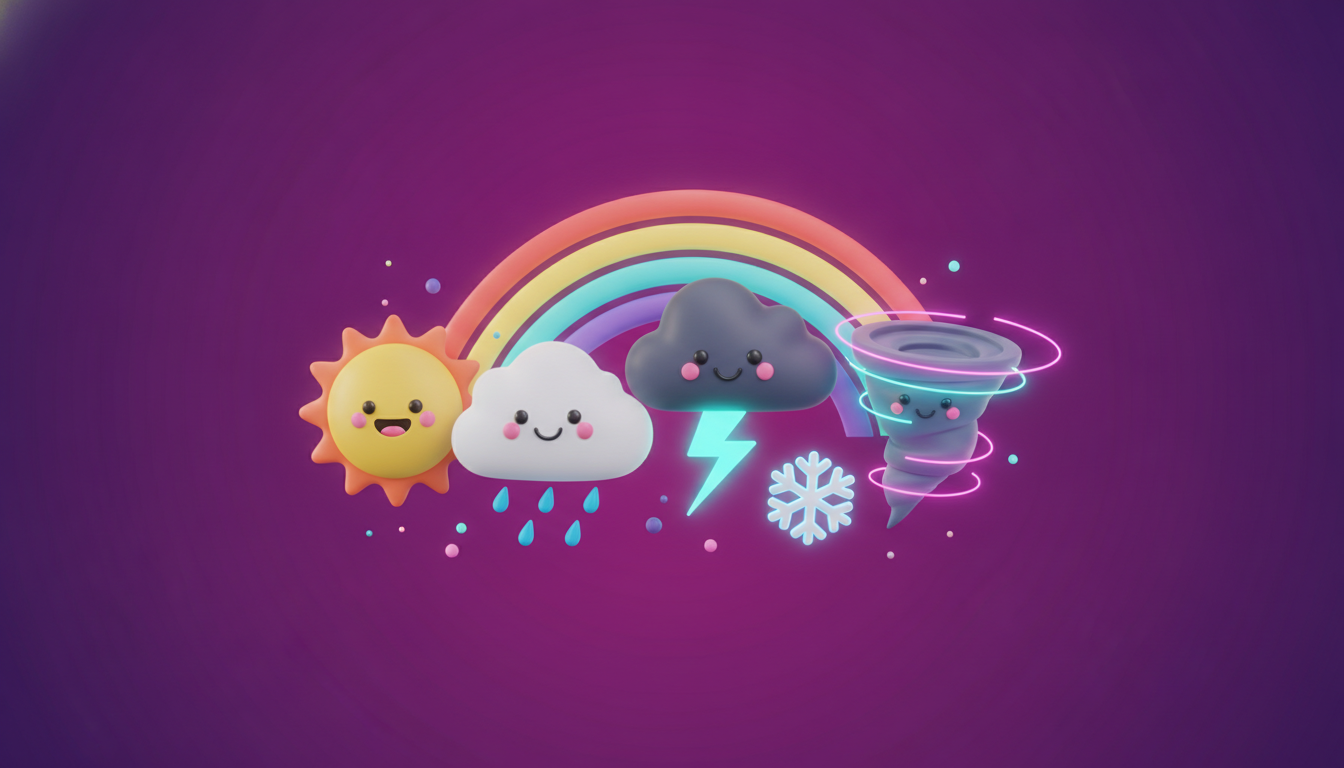
Weather is the original small talk, and it turns out emojis are no different. Long before anyone described their mood as "a bit cloudy" in a text, people were reaching for ☀️, 🌧️, and ⛈️ to set the tone of a message in a single character. Weather emojis are among the most-used symbols on the planet, and not just for forecasts. According to Unicode usage rankings, ☀️ consistently lands in the top 100 most-used emojis worldwide, and weather-related symbols spike predictably with real conditions: heatwaves, storms, and the first snowfall all send their matching emojis climbing. With much of Europe heading into another hot summer, 🥵 and 🌡️ are already trending in group chats across the continent.
Why Weather Emojis Work So Well
Weather emojis carry a rare double meaning. They describe the literal sky outside, and they describe how something feels. A 🌧️ can report actual rain or signal a gloomy mood. A ☀️ can mean "it's sunny" or "I'm in a great mood." This flexibility makes them some of the most versatile emojis in any keyboard.
There is also a practical reason they dominate. Weather is universal. Everyone, in every country, deals with it, so weather emojis translate cleanly across cultures and languages. A 2025 analysis of cross-language messaging found that weather emojis were among the least misinterpreted categories, far less ambiguous than gestures or face emojis, which shift meaning by region and generation.
The Essential Weather Emoji Lineup
Here is the core set, grouped by condition, with notes on how people actually use each one.
Sun and Heat
- ☀️ Sun. The anchor of the category. Used for sunny weather, good moods, and "the forecast looks great" energy.
- 🌞 Sun with Face. Warmer and more personal than ☀️. Popular in morning messages and feel-good posts.
- 🌤️ Sun Behind Small Cloud. The "mostly nice" emoji. Common in actual forecasts and mild optimism.
- 🥵 Hot Face. Surged with intensifying heatwaves. Used for real heat ("38 degrees out here 🥵") and figurative heat alike.
- 🌡️ Thermometer. The companion to 🥵, paired constantly in heat updates and viral weather posts.
Clouds and Rain
- ☁️ Cloud. Neutral and gray, used for overcast skies and low-energy moods.
- 🌥️ Sun Behind Large Cloud / ⛅ Sun Behind Cloud. The forecast workhorses for "partly cloudy."
- 🌧️ Cloud with Rain. Steady rain, and a reliable shorthand for sadness or a rough day.
- 🌦️ Sun Behind Rain Cloud. Rain plus sun, and the natural partner to 🌈.
- ☔ Umbrella with Rain Drops / ☂️ Umbrella. Used for wet-weather plans and "bring an umbrella" reminders.
Storms and Lightning
- ⛈️ Cloud with Lightning and Rain. The full thunderstorm. Used literally and for dramatic, "everything is chaos" moods.
- 🌩️ Cloud with Lightning. Lightning without the rain. Reads as electric, intense, or "a storm is coming."
- ⚡ High Voltage. Technically an energy symbol, but widely used for lightning, power, and hype ("the energy ⚡").
- 🌪️ Tornado. Literal tornadoes and a popular metaphor for chaos, busy schedules, and emotional whirlwinds.
Snow and Cold
- ❄️ Snowflake. The icon of winter, cold weather, and anything described as "cool." Also a staple of holiday content.
- ☃️ Snowman / ⛄ Snowman Without Snow. Used for snow days, winter fun, and seasonal greetings.
- 🥶 Cold Face. The cold-weather counterpart to 🥵. Used for freezing temperatures and metaphorical chills.
- 🌨️ Cloud with Snow. The forecast version of snowfall, more functional than festive.
Wind, Mist, and the Hopeful Stuff
- 🌬️ Wind Face / 💨 Dashing Away. Wind, gusts, and "blown away," literally and figuratively.
- 🌫️ Fog. Low visibility and, increasingly, a metaphor for mental fog or uncertainty.
- 🌈 Rainbow. One of the most beloved weather emojis. Used for actual rainbows, hope after hardship, Pride, and general positivity.
- 🌊 Wave. Borrowed from the beach set but common in storm-surge and "rough seas" weather content.
Figurative Weather: The Hidden Layer
Half the appeal of weather emojis is that almost none of them stay literal for long. A few patterns show up again and again:
- ☀️ for happiness, optimism, or "you brighten my day."
- 🌧️ and ☁️ for sadness, gloom, or a difficult stretch.
- ⛈️ and 🌪️ for conflict, chaos, or an overwhelming week.
- 🌈 for hope, recovery, and better days ahead.
- 🌫️ for confusion or feeling lost.
This is why "send me some ☀️" reads instantly as a request for encouragement, no explanation needed. Weather has been a metaphor for emotion for as long as language has existed, and emojis simply made the shorthand visual.
How Brands and Forecasters Use Weather Emojis
Weather emojis are everywhere in marketing and media because they communicate season and mood with zero extra words. National weather services and apps now use ☀️🌧️❄️ as a universal visual language, readable at a glance regardless of the user's language. Brands lean on the same instinct: a single 🥵 next to a summer sale or a ❄️ beside a winter promotion sets the seasonal frame instantly.
The data backs up the instinct. Email subject lines with a relevant seasonal weather emoji, like ☀️ in summer or ❄️ in winter, tend to lift open rates noticeably during their peak window, echoing broader findings that emoji subject lines can raise opens by double digits when used sparingly. The key word is sparingly. One well-chosen weather emoji outperforms a string of five competing ones.
Weather Emoji Combinations Worth Knowing
Like every emoji category, weather has its own shorthand. Some combinations have become near-universal:
- 🌧️🌈: Hope after a hard time, or "better days ahead"
- ☀️😎: Great weather, great mood
- 🔥🌡️: Heatwave
- 🥶❄️: Freezing cold
- ⛈️😮: A dramatic storm or a wild turn of events
- 🌪️🤯: Total chaos or overwhelm
- ☔💧: Rainy day plans
- 🌬️🍃: A windy, blustery day
These work because each emoji adds a layer the other cannot carry alone.
Regional and Seasonal Twists
Weather emoji use shifts with the calendar and the map. ❄️ peaks in December and January in the Northern Hemisphere but in June and July in the Southern Hemisphere, where ☀️ dominates the New Year. In regions prone to monsoons, ☔ and ⛈️ surge during the wet season. And during major heat events, 🥵 and 🌡️ climb fast, sometimes becoming the dominant weather emojis of an entire week across affected countries.
If you message international audiences, this seasonal reversal matters. A cheerful "summer ☀️" campaign in July reads as warm in Madrid but mid-winter in Buenos Aires.
Practical Tips for Using Weather Emojis Well
A few principles keep weather emojis on point:
- Match the medium. Chats and stories can handle a few; headlines and formal copy work best with one.
- Mind the metaphor. ⛈️ in a post about a tough day reads as mood, not forecast. Make sure context is clear.
- Pair with intent. 🌧️🌈 tells a small story. A random pile of weather icons just looks like noise.
- Stay seasonal. A ❄️ in July or a 🥵 in January will confuse more than it charms, unless you mean it ironically.
Looking Ahead
Weather emojis will keep evolving alongside the climate conversation. As extreme weather becomes more common, expect 🥵, 🥶, and 🌪️ to keep rising in everyday use, and watch for future Unicode proposals to fill real gaps in the set, from more specific storm types to clearer icons for haze and air quality. For now, the humble weather emoji remains one of the most efficient tools in any keyboard: a single character that tells people both what the sky is doing and how you feel about it. Next time words fail, a well-placed ☀️ might say it best. 🌈