Why Gen Z Thinks the Thumbs Up Emoji 👍 Is Passive-Aggressive
August 17, 2026 · Bas Hennekam
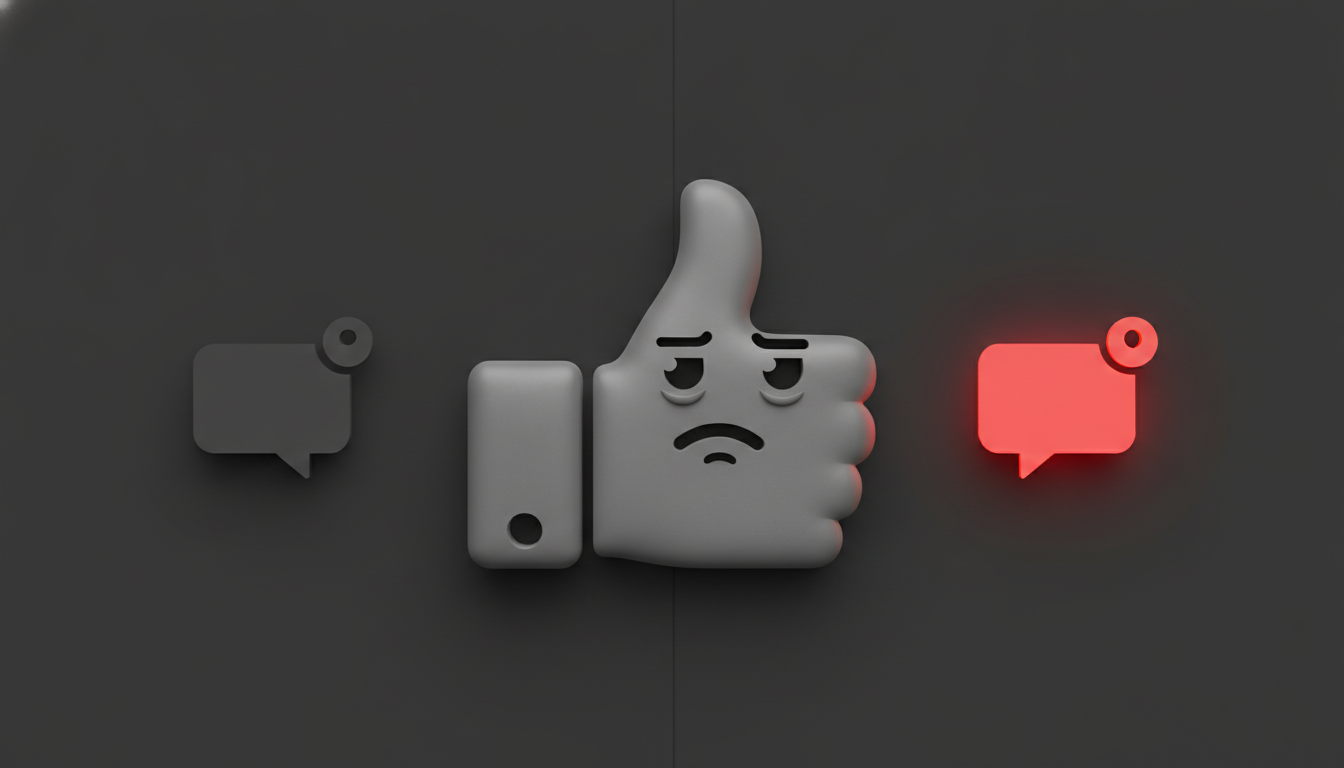
A manager sends "sounds good 👍" to close out a Slack thread. To them it means approved, done, moving on. To the 24-year-old on the other end, it can read like a slammed door. No warmth, no acknowledgment, just a flat little icon that feels like the digital version of a curt nod. This gap is not a one-off complaint anymore. It is one of the most consistent generational flashpoints in workplace communication, and it keeps resurfacing every few months as a new wave of younger employees hits the job market and rediscovers the same friction.
The short version: many Gen Z workers read 👍 as passive-aggressive, dismissive, or even a little hostile, while Gen X and boomer colleagues use it as a neutral, efficient "got it." Neither side is wrong about their own intent. That mismatch is exactly what makes it interesting, and worth understanding if you send or receive workplace messages across generations.
The Data Behind the Divide
This is not just internet chatter. A large-scale YouGov survey commissioned by workplace software company Atlassian, covering 10,000 workers across the US, France, Germany, India and Australia, found that 65% of employees now use emojis to convey tone at work. But the generational split in how helpful that feels is stark: 88% of Gen Z workers said emojis make communication easier, compared to just 49% of Gen X and boomer respondents.
A separate poll of 2,000 workers aged 16 to 29 went further, finding that this age group overwhelmingly associates 👍 (along with several other emojis) with being used by "old people" specifically. One respondent summed up the adjustment period bluntly: it took real effort to stop reading a colleague's thumbs up as a sign of quiet frustration, even after realizing that was never the intent.
Separately, workplace video platform Loom found that 91% of workers say their messages have been misunderstood or misinterpreted at some point, a number that helps explain why a single emoji carries so much interpretive weight. When tone is stripped out of a message, whatever symbol is left behind ends up doing a lot of emotional labor, for better or worse.
Why 👍 Specifically Got Singled Out
Plenty of theories try to explain why the thumbs up became the flashpoint rather than, say, 🙂 or "ok." The most commonly cited one ties it to Facebook's Like button, which normalized the thumbs-up gesture as a one-tap, low-effort acknowledgment on a platform now associated with an older user base. For a generation that grew up treating emoji choice as a deliberate, expressive act, a gesture built for minimal effort can land as minimal care.
There is also a tone problem baked into the gesture itself. A thumbs up in person is warm because it comes with a smile, eye contact, or a nod attached. Stripped down to a flat yellow icon at the end of a text message, none of that context survives. Readers fill the gap with whatever mood they already suspect the sender is in, and in a fast-moving group chat or a terse manager reply, that gap tends to get filled with the worst-case read: "fine." "Whatever." "We are done here."
Compare that to how Gen Z tends to close out a friendly exchange instead: 🙌, 😊, or a simple "sounds good!" with an exclamation point doing the tonal work an emoji would otherwise carry. The information conveyed is functionally identical to a thumbs up. The perceived warmth is not.
It Is Not New, but It Keeps Resurfacing
The core controversy traces back to at least 2022, when early reporting on the topic first framed 👍 as something Gen Z had effectively "canceled" in professional settings. What keeps the story alive years later is not that the emoji changed, but that the workforce keeps turning over. Every fresh cohort of 22-year-olds entering their first job discovers the same gap between what their thumbs feel like typing and what a 55-year-old manager means by tapping 👍, and the discourse cycles back into view.
That resurfacing pattern matters for anyone managing a multigenerational team today. This is not a trend that fades once addressed. It is a standing translation problem between two groups who both think they are being perfectly clear.
What This Means for Mixed-Generation Teams
- Read intent, not just icon. A manager's 👍 is very rarely a coded message. Treat it as a full stop of agreement unless other context in the thread suggests otherwise.
- Add a word when tone matters. Pairing 👍 with "thanks, this looks great" removes almost all of the ambiguity, at the cost of two extra seconds of typing.
- Know your audience per channel. A thumbs up in a large all-hands Slack channel reads differently than the same emoji in a 1:1 DM. Context collapses the gap in group settings and widens it in private ones.
- Do not overcorrect into silence. Some managers, once they hear about the backlash, stop using any emoji at all, which removes tone entirely rather than fixing it. A short "got it, thanks!" does the same job with less risk.
What Comes Next
Expect this generational split to keep showing up in workplace surveys through 2026 and beyond, not because the thumbs up emoji is going anywhere, but because the underlying issue, tone getting lost in short digital messages, has no permanent fix. New emoji keep entering the vocabulary, but the basic mismatch between low-effort acknowledgment and perceived warmth will likely just find a new symbol to attach itself to once 👍 fully ages out. For now, the safest move across a generational gap is the oldest trick in workplace communication: when in doubt, add a few words.