
The Cat Emoji Trend Taking Over TikTok in 2026: What It Actually Means
September 7, 2026 · Bas Hennekam
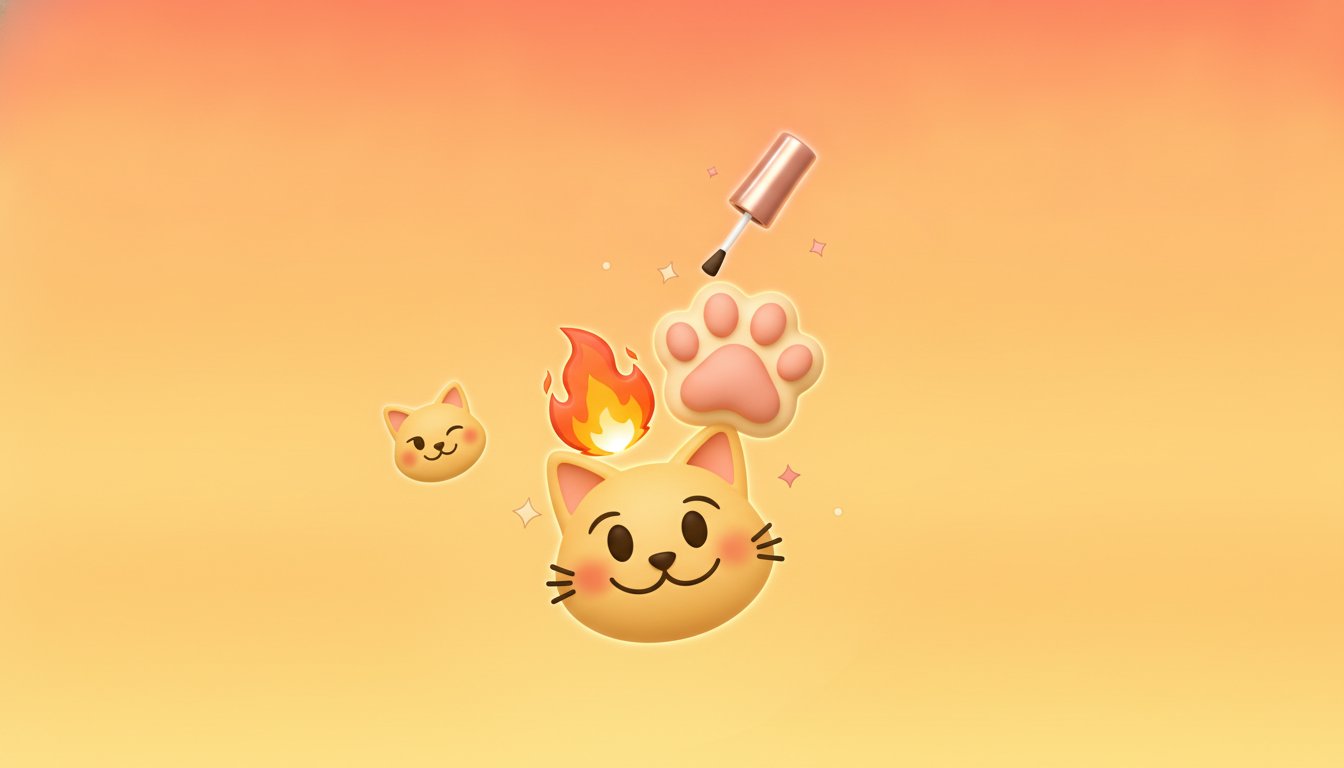
Open TikTok this week and you are one scroll away from a cat emoji edit. A slow-motion clip of someone walking into a room, cut to a wall of 🐱🔥🐾💅 stamped across the screen, captioned "emoji cat heat." The format exploded in August 2026 and has not slowed down since, racking up billions of views across duet chains, stitch reactions, and copycat edits in dozens of languages. If you have seen it and had no idea what it meant, you are not alone. Here is the full breakdown. 🐈
What "Emoji Cat Heat" Actually Is
The trend is a video edit format, not a single joke. Someone posts a short clip, usually of themselves, a pet, or a moment of confidence, and overlays a cluster of cat-coded emojis directly onto the footage: 🐱, 🔥, 🐾, and increasingly 💅 or 😼 stacked in a tight visual block. The emojis are not commentary sitting below the video the way a caption would be. They are baked into the edit itself, timed to a beat drop or a specific cut, which is what makes the format so easy to recognize and so easy to copy.
The phrase "cat heat" does not refer to literal feline behavior. It is slang shorthand for a person, outfit, or moment being undeniably attractive or confident, and the cat emoji has become the visual stand-in for that energy. Calling someone or something "cat" in this context is a compliment about presence and swagger, not about being catty in the older, more negative sense of the word.
How the Trend Started
Trend-tracking accounts trace the format back to a wave of small pet-focused edits in late July 2026, where creators overlaid 🐱🔥 on clips of their cats doing something unexpectedly composed or dramatic. The combination read as funny because of the mismatch: a fire emoji, usually reserved for extreme heat or attractiveness, slapped onto a cat doing something mundane. The joke worked, and creators outside the pet niche noticed.
By mid-August, fashion and lifestyle creators had adopted the same emoji stack for human subjects, stripping away the pet-specific irony and using it straight, as a genuine signal of confidence. That shift from ironic to sincere is what pushed the format from a niche joke into a mainstream aesthetic marker. Within two weeks, the audio pairing, edit timing, and emoji placement had standardized enough that the format became instantly recognizable across the platform, which is exactly the pattern that turns a joke into a trend. 📈
Decoding the Combos
Not every cat-heat edit uses the same emojis, and the specific combination changes the meaning slightly. Here is what the most common stacks signal.
- 🐱🔥: the base combo, meaning general confidence or an undeniably good moment. This is the entry-level version of the trend and the one most likely to appear in a duet or reaction video.
- 🐱🔥💅: adds a manicured-nail emoji to sharpen the meaning toward "unbothered and put together." This variant shows up most under fashion and glow-up content.
- 🐱🔥🐾: the paw print keeps the pet-trend origin visible, often used when creators want to nod back to the format's roots while applying it to a human subject.
- 😼🔥: swaps the neutral cat face for the smirking cat, which pushes the tone toward playful smugness rather than straightforward confidence. This is the version most often used sarcastically.
Understanding which face is doing the work matters. A straight 🐱 signals sincerity, while 😼 signals a wink, and mixing them up changes whether a comment or edit reads as a genuine compliment or a tease.
Why Cat Emojis Specifically
Cats have carried a specific cultural shorthand online for years, tied to independence, aloofness, and a kind of effortless self-possession that reads as aspirational rather than needy. That existing association made the cat emoji a natural fit once creators needed a symbol for confident, low-effort attractiveness. Pair that with 🔥, already the internet's default marker for "this is impressive," and the combo reads instantly even to viewers who have never seen the specific trend before. The emoji stack does the explaining so the caption does not have to, which is exactly why it spreads so fast across language barriers. 🌍
The timing also matters. The trend landed in the same window as growing TikTok chatter about Gen Z shifting away from emoji classics like 😂 toward more expressive, character-driven picks, a pattern also visible in the animal-heavy redesign choices Google made for Android's Noto 3D emoji set this year. Cats fit that broader move toward emoji with personality rather than pure function.
How Brands and Creators Are Using It
Marketers moved fast once the format proved durable past a single news cycle. Pet brands were the obvious early adopters, layering 🐱🔥 onto product clips for cat food, litter, and toys. But the format has since jumped categories entirely: beauty brands use it on transformation content, and fitness creators use it on progress clips, both borrowing the confidence-signaling shorthand without any literal cat in sight.
A few practical notes for anyone trying it:
- Keep the emoji stack to three or four characters max; longer stacks read as trying too hard and lose the punch of the original format
- Time the emoji overlay to a cut or beat, not a static caption, since the edit rhythm is part of what makes the trend recognizable
- Pick 🐱 for sincerity and 😼 for a wink, since audiences are already reading the difference
What's Next for the Trend
Trend cycles on TikTok typically run six to ten weeks at full intensity before either fading or splintering into spin-offs, and "emoji cat heat" is already showing early signs of the second path. Variants swapping the cat for other animal emojis, most notably a fox 🦊 version aimed at a slightly edgier tone, have started appearing in late August. Whether those spin-offs catch on the way the original did will likely become clear within the next few weeks. For now, if you see a wall of 🐱🔥 stamped across a clip, you know exactly what it is saying, even before the caption loads. 🎬